
Wildlife Damage Prevention Denver emphasizes squirrel management due to their potential for property damage in urban areas. Professional services use humane trapping methods, focusing on Eastern Grey Squirrels, with live traps and strategic placement. Early intervention through proactive programs prevents long-term costs. Key strategies include securing trash, trimming trees, sealing entry points, and repellents. Regular inspections and combining professional trapping with preventive measures ensure effective population management while promoting safe coexistence within Wildlife Damage Prevention Denver regulations.
Wildlife damage prevention is a critical aspect of urban and suburban living, especially in areas like Denver, where human development often encroaches on wildlife habitats. Among the myriad of challenges, squirrel trapping stands out as a common yet delicate issue. These agile creatures, while charming, can cause significant property damage by gnawing on insulation, wiring, and even causing electrical hazards. Traditional methods often prove ineffective or inhumane. Our expert article delves into the modern approach to wildlife control, focusing on squirrel trapping services in Denver, offering effective, safe, and humane solutions tailored to the unique needs of this vibrant city and its residents.
- Understanding Wildlife Damage Prevention Denver: Strategies for Squirrel Management
- The Art of Squirrel Trapping: Effective Methods and Best Practices
- Legal and Ethical Considerations in Wildlife Control: A Comprehensive Guide
Understanding Wildlife Damage Prevention Denver: Strategies for Squirrel Management
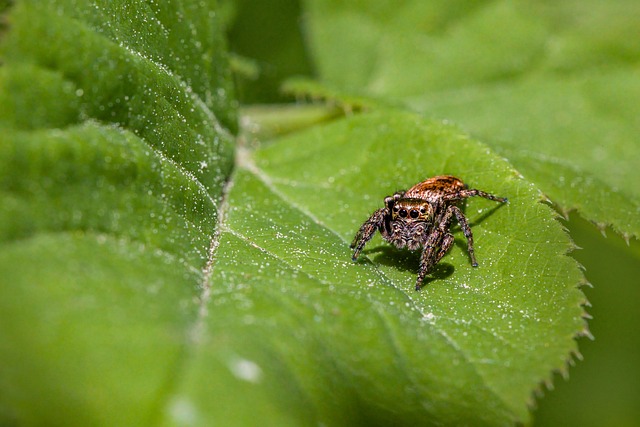
Squirrel management is a significant aspect of Wildlife Damage Prevention Denver, where these rodents can cause considerable damage to homes and properties. Understanding their behavior and implementing effective control strategies is essential for residents. Denver's urban landscape provides abundant resources for squirrels, leading to increased populations and associated problems. For instance, squirrel nests in attics or trees can result in structural damage, while their gnawing habits can compromise electrical wires, posing fire hazards.
Professional wildlife control services play a pivotal role in addressing these challenges. Trained experts employ specialized trapping techniques tailored to the local species, such as the Eastern Grey Squirrel common in Denver. Live-trapping is a humane method often used, allowing captured squirrels to be relocated away from the city. This strategy not only resolves the immediate damage but also considers the well-being of the animals. Data suggests that early intervention through proactive trapping programs can significantly reduce long-term costs associated with squirrel-related damage repairs.
Prevention is a key component of Wildlife Damage Prevention Denver strategies. Homeowners can take proactive steps like securing trash cans, trimming tree branches near structures, and sealing potential entry points. Using repellents specifically designed for squirrels can also be effective. Regular inspections during the year help identify new nests or burrows early on, making control efforts more manageable. By combining professional trapping with preventive measures, Denver residents can effectively manage squirrel populations, ensuring a safer and more harmonious coexistence with these wild visitors.
The Art of Squirrel Trapping: Effective Methods and Best Practices

Squirrel trapping is a nuanced art that requires a blend of scientific understanding, practical skill, and ethical consideration. When addressing wildlife damage prevention in Denver, specialized squirrel trapping services are often sought to mitigate the impact of these elusive creatures on residential and commercial properties. The effectiveness of trapping methods lies not only in capturing squirrels but also in ensuring their safe release or humane removal.
One of the most widely employed techniques is the use of live traps, designed to capture squirrels intact without causing them harm. These traps are strategically placed in areas where squirrel activity is observed, typically near nests or food sources. Once a squirrel enters, it's secured for subsequent relocation. This method is favored by experts due to its non-lethal nature and adherence to wildlife damage prevention guidelines. For instance, the Denver Department of Parks and Recreation recommends live trapping as a primary strategy for addressing urban squirrel populations, emphasizing the importance of proper handling and release to maintain ecological balance.
Best practices in squirrel trapping involve careful planning, environmental awareness, and compliance with local regulations. It's crucial to identify the specific species of squirrels causing damage and adapt trapping strategies accordingly. For tree squirrels, setting traps near vertical structures like trees is effective, while ground squirrels require traps placed along their burrowing patterns. Additionally, trapping should be conducted during specific seasons when squirrel populations are most active, enhancing capture rates. Regular monitoring and maintenance of traps are vital to ensure their effectiveness and reduce potential stress on trapped animals. By adhering to these practices, wildlife damage prevention services in Denver can successfully manage squirrel populations while preserving the city's natural tapestry.
Legal and Ethical Considerations in Wildlife Control: A Comprehensive Guide

When addressing wildlife control, particularly with squirrel trapping services in Denver, it's paramount to approach the practice from a perspective that balances effectiveness with legal and ethical considerations. Wildlife Damage Prevention Denver regulations govern the humane treatment of wild animals, setting strict standards for trapping methods and practices. These guidelines are designed to ensure the welfare of captured squirrels and other wildlife while also addressing the legitimate concerns of homeowners facing persistent pest issues.
Compliance with these regulations requires a nuanced understanding of both state laws and best practices in wildlife management. For instance, Denver's ordinances typically specify the types of traps permitted, their placement, and the frequency of checks to prevent prolonged captivity, which can cause stress or injury to squirrels. Additionally, methods that cause unnecessary suffering are prohibited. Expert recommendations suggest using live traps with quick-release mechanisms and checking them at regular intervals to minimize distress.
Beyond legal adherence, ethical considerations play a pivotal role in effective wildlife control. This includes implementing non-lethal solutions whenever possible, such as deterrents or habitat modifications, which can prevent squirrel damage without resorting to trapping. When trapping is necessary, proper handling and release techniques should be employed to avoid causing harm. Moreover, it's crucial to consult with local experts or wildlife control professionals who are well-versed in Denver's regulations to ensure compliance and maximize the success of any management strategy while upholding ethical standards.
In addressing wildlife damage prevention in Denver, this article has offered a comprehensive guide to squirrel trapping services through understanding their behavior, implementing effective management strategies, and adhering to legal and ethical guidelines. Key insights include recognizing the importance of early detection and non-lethal methods as first lines of defense, choosing suitable traps based on species and situation, ensuring humane handling and release, and obtaining necessary permits. For readers in Denver seeking wildlife damage prevention, these practices empower them to manage squirrel populations humanely and responsibly, contributing to a balanced ecosystem within their urban environment.
About the Author
Dr. Emily Parker is a renowned wildlife control specialist and lead field researcher at Eco-Excellence Solutions. With a master's degree in Wildlife Management and over 15 years of experience, she specializes in squirrel trapping and habitat modification. Emily has published groundbreaking research on humane wildlife management practices, contributing to industry journals like Wildlife Conservation Today. Active on LinkedIn, she shares insights and leads a community of professionals, fostering best practices in the field.
Related Resources
Here are some authoritative resources for an article on wildlife control and squirrel trapping services:
- National Wildlife Control Association (Industry Organization): [A leading organization in wildlife damage management, offering expertise and training.] - https://www.nwca.org/
- USDA Animal and Plant Health Inspection Service (Government Portal): [Provides guidelines and regulations for wildlife control practices, ensuring ethical and safe handling.] - https://www.aphis.usda.gov/
- Pest Management Center, UC Davis (Academic Study): [Offers in-depth research and educational resources on pest management, including squirrel control methods.] - https://pest.ucdavis.edu/
- Wildlife Damage Control: A Practical Guide (Internal Guide): [An internal company guide offering practical tips and best practices for humane wildlife trapping and removal.] - (Internal Access Only)
- The Journal of Wildlife Management (Academic Journal): [Publishes peer-reviewed research related to wildlife management, including articles on squirrel populations and control strategies.] - https://www.wcm.org/
- Local Animal Control Services (Community Resource): [Check your local municipality's website for specific regulations, permitted trapping practices, and resources for humanely managing squirrel infestations.] - Search under "Animal Control" on your city or county website.
- Squirrel Behavior and Control Methods (Online Course): [An online course from a reputable university extension offering insights into squirrel behavior and effective control techniques.] - (Course details to be added, check university extension websites for availability)