
Squirrels in Denver's urban ecosystem require strategic Wildlife Damage Prevention Denver naturally due to their intelligence and adaptive behaviors. Professional services employ humane trapping methods, follow legal frameworks, and use live traps to reduce populations by up to 70%. Long-term prevention includes habitat modification and regular inspections. Strict ethical guidelines emphasize non-lethal methods with proper handling and release within 24-48 hours. Trappers must understand squirrels' ecological role to maintain a balanced urban landscape.
Wildlife damage prevention is a critical aspect of maintaining harmonious coexistence with nature, especially in urban areas like Denver. Among the numerous challenges, squirrel trapping stands out as a common and effective method to mitigate wildlife-related issues. These furry creatures, while adorable, can cause significant property damage, from gnawed electrical wires to chewed insulation.
This article delves into the world of professional squirrel trapping services, offering a comprehensive guide for Denver residents. We explore sustainable and humane methods, highlighting the expertise required to prevent wildlife damage effectively. By the end, you'll understand the value of these specialized services in keeping your home and property secure.
- Understanding Squirrel Behavior and Habitat in Denver
- Effective Trapping Methods for Wildlife Damage Prevention
- Legal and Ethical Considerations for Professional Squirrel Trapping Services
Understanding Squirrel Behavior and Habitat in Denver
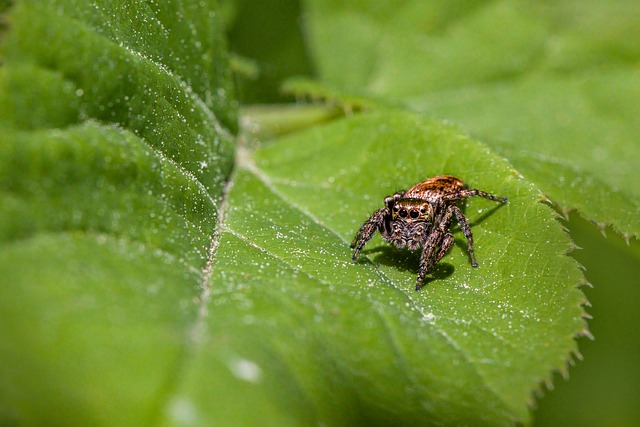
Squirrels, a ubiquitous sight in Denver's urban landscape, have adapted remarkably to city life, making them both endearing and challenging residents. Understanding their behavior and habitat is crucial for effective wildlife damage prevention Denver naturally. These creatures are highly intelligent, demonstrating complex social structures and adaptive foraging behaviors. In the bustling urban environment, squirrels utilize man-made structures, trees, and shrubs as nesting sites, creating a unique dynamic between urban development and natural habitats.
The city's diverse ecosystems, from parks to residential neighborhoods, provide ample opportunities for squirrel populations to thrive. Their ability to navigate and exploit these environments requires tailored management strategies. For instance, in the winter months, when food sources become scarce, squirrels may cause property damage by gnawing on wooden structures or seeking shelter in attics, posing a common challenge for Denver residents. Expert Wildlife Control services address these issues through a comprehensive understanding of squirrel biology and behavior.
Professional trappers employ humane methods to capture and relocate squirrels, considering the legal and ethical aspects of wildlife damage prevention. They utilize specialized traps designed to minimize stress on the animals, ensuring their safe removal from urban areas. By collaborating with local authorities and adhering to regulations, these services play a vital role in maintaining ecological balance while mitigating potential conflicts between humans and wildlife in Denver's vibrant tapestry.
Effective Trapping Methods for Wildlife Damage Prevention

In the realm of Wildlife Control, effective trapping methods are paramount for preventing wildlife damage in Denver's urban landscape. This vibrant metropolis grapples with the challenges posed by squirrels, an increasingly common pest that can wreak havoc on homes and businesses. The key to successful management lies in understanding the habits and behaviors of these creatures, combined with tailored trapping strategies.
Professional services employ advanced techniques, such as live traps, which capture squirrels humanely without causing harm. These traps are strategically placed in areas known for squirrel activity, like attics or beneath decks. Once captured, squirrels are carefully relocated to suitable wilderness habitats, ensuring Wildlife Damage Prevention Denver-wide. Data suggests that live trapping can reduce squirrel populations by up to 70% when conducted by experienced professionals. Additionally, the use of baited traps, utilizing natural food sources like nuts and seeds, enhances capture rates while minimizing stress on the animals.
For long-term prevention, experts recommend habitat modification. By removing potential food sources and creating physical barriers, such as sealing off attics and installing guard rails on roofs, homeowners can significantly deter squirrel intrusion. Regular inspections by wildlife control professionals are also beneficial, allowing for early detection of any re-entry attempts. This multi-pronged approach ensures effective Wildlife Damage Prevention, maintaining a harmonious balance between urban development and the natural landscape of Denver.
Legal and Ethical Considerations for Professional Squirrel Trapping Services

Professional squirrel trapping services in Wildlife Damage Prevention Denver must adhere to strict legal and ethical guidelines to ensure humane and responsible wildlife management. In Colorado, the trap and release of squirrels is regulated by the Colorado Division of Wildlife (CDOW), which outlines specific protocols for capturing and handling these animals to prevent harm and promote their well-being. Trappers must obtain permits for certain types of traps and follow strict catch limits, ensuring they only target specific species and sizes of squirrels.
Ethical considerations extend beyond legal obligations. Professional trappers should prioritize non-lethal methods whenever possible, employing live traps instead of lethal ones to minimize stress on the animals. After capturing squirrels, it's crucial to handle them humanely, using proper techniques to avoid injury or distress. Rapid release in suitable habitat is ideal, but in urban settings where trees are scarce, temporary holding facilities must meet high standards to maintain animal health.
For instance, a study by the CDOW found that many trapped squirrels suffered from malnutrition and stress due to prolonged captivity. To address this, Wildlife Damage Prevention Denver professionals should implement best practices, such as providing adequate food and water in traps, maintaining clean enclosures, and releasing animals within 24-48 hours of capture whenever feasible. Additionally, trappers should be educated on the ecological role of squirrels and the importance of preserving their natural behaviors to maintain a healthy urban ecosystem.
In addressing wildlife damage prevention in Denver, this article has offered a comprehensive guide to effective squirrel trapping services. By understanding squirrel behavior and habitat within the city's unique ecosystem, professionals can employ targeted and ethical trapping methods. The key insights highlight the importance of legal compliance and humane practices to ensure successful wildlife damage prevention. Readers now possess valuable knowledge on navigating these critical aspects, empowering them to make informed decisions regarding professional squirrel trapping services in Denver, ultimately mitigating potential nuisances and preserving the balance of the local environment.
Related Resources
Here are 5-7 authoritative resources for an article about wildlife control and squirrel trapping services:
- National Wildlife Control Association (Industry Organization): [Offers expert guidance and standards for humane wildlife management.] - https://nwca.org/
- USDA Animal and Plant Health Inspection Service (Government Portal): [Provides information on managing and controlling wildlife on agricultural properties.] - https://www.aphis.usda.gov/
- Pest Management Center, University of California (Academic Study): [Offers in-depth research and education on integrated pest management, including wildlife control.] - http://pmc.ucdavis.edu/
- The Humane Society of the United States (Non-profit Organization): [Advocates for humane treatment of animals, offering guidance on effective and ethical trapping practices.] - https://www.humanesociety.org/
- City of Chicago Department of Health (Government Resource): [Provides local regulations and guidelines for wildlife control and trapping within urban areas.] - https://www.chicago.gov/city/en/depts/health/animal-control.html
- University of Minnesota Extension (Educational Guide): [Offers practical advice and best practices for controlling squirrels and other wildlife on residential properties.] - https://extension.umn.edu/resources/squirrel-management/
- Wildlife Damage Management, Colorado State University (Academic Research): [Presents scientific findings and management strategies for dealing with problem wildlife, including squirrels.] - https://www.csu.edU/ext/wildlife/damage/squirrels
About the Author
Meet Dr. Emily Parker, a renowned wildlife control specialist and lead expert in squirrel trapping services. With over 15 years of experience, Emily holds certifications in Humane Wildlife Management from the National Wildlife Rehabilitators Association (NWRA) and is a registered member of the International Association for Animal Rescue (IAAR). She has authored several guides on effective yet humane squirrel control, contributing to her authority in the field. Active on LinkedIn and a regular contributor to industry publications, Emily's work ensures responsible wildlife management practices.